

Bariatric Living Aids
Bariatric (obese) clients require sturdy mobility aids to help them maintain self-reliance. Using undersized equipment increases personnel pressure and risks injuries to both the client and caretaker.
Guarantee that equipment is correctly sized by conducting home evaluations. Widen hallways, doors, and ramps if needed for bariatric equipment to safely access homes.
Strolling Aids
Strolling aids are bariatric mobility equipment recommended by a physician or physio therapist to maintain your self-reliance and assist you recuperate from injuries, surgery or discomfort. They are also utilized long term for people with muscle weakness or balance issues. They are offered in a series of types to satisfy your requirements including, walking sticks, rollators and walkers for greater stability.
Physiotherapists are the most qualified to evaluate your requirements and prescribe the very best walking help for you. This evaluation consists of an evaluation of your practical status, day to day mobility requirements (e.g. navigating thresholds, public transport) and your risk aspects for falls such as cardiovascular, musculoskeletal and neurological.
A great physio therapist will have the ability to supply the best bariatric walking help for you, which includes a suitable prescription based on your height, weight and health care plan in addition to a thorough rehabilitation program. This will optimise your healing and decrease the threat of future injury.
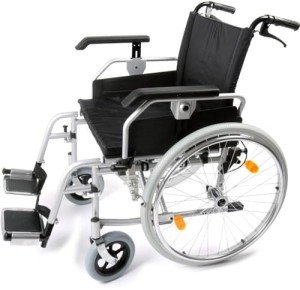
bariatric wheelchair 600 lb capacity as bariatric walking sticks, commodes, shower chairs and wheelchairs are created to accommodate bigger patients who need mobility assistance. Frequently standard medical products can not support the included weight and so should be customized with additional bracing to ensure that they are safe to utilize. This modification is a crucial step to assist individuals with weight problems feel more positive about living independently in their own homes, and it can likewise make their experience at health center and other medical centers more manageable by lowering the probability of them being rejected for admission or treatment due to a lack of sufficient mobility equipment.
Crutches
Crutches are an effective bariatric living help for people who need assistance while walking. They take weight off of one leg and allow the user to press through their hands rather than their knees or feet, helping them to move quicker and more effectively than they would have the ability to do otherwise. They likewise help to avoid pressure on the hurt knee or foot, which can cause further pain and discomfort.
When utilizing crutches, it is necessary to place them correctly so that the hand grips are 1 to 2 inches below the elbow when in an unwinded underarm position. Likewise, the axillary pad should rest versus the client's chest directly above their elbow, instead of extending down past their armpit. This will allow the user to keep their hands complimentary for balance and control.
Patients ought to constantly mosey and carefully while utilizing crutches to avoid falls. They ought to avoid steep or icy slopes and keep the crutches clear of blockages such as poles and stair railings. They must likewise guarantee that they are not leaning on the suggestions of their crutches, which can cause them to tip over or veer off in a direction unexpectedly. It is suggested that clients use crutches in pairs so that they can help to steady one another if needed.
To ascend stairs, the patient must stand near to the top of the action and hold the hand rails for support. They need to then bring their crutches to the next step listed below them and put their foot on it before progressing. They ought to then repeat the procedure of moving down each action. Alternatively, the patient might have the ability to rise and descend stairs by leaning on the chair arm of a stable chair.
Numerous doctors recommend crutches to their patients after an injury or surgery. However, if you are not comfortable with them or feel that they do not offer sufficient stability or support, consult your medical professional to talk about alternatives. For example, you may have the ability to attempt a cane instead of crutches or a wheelchair if your physician feels that it will be better suited for your situation.
Commodes
Commodes are an excellent bariatric living help that supplies patients with toileting independence. Carers can help their patients move to the commode, and after that leave the room, offering personal privacy and minimizing tension and stress and anxiety for clients who deal with going to the restroom on their own.
Basically, a commode is a chair with a cutout in the seat that serves as a toilet. The majority of have actually a pot attached under the cutout that works as a collection bucket for waste. The commode can be utilized as a standalone toilet or over an existing one, and numerous have detachable legs to permit it to fold flat for storage. There are several kinds of bedside commodes offered, and some might be covered by insurance, so it's important to talk to your healthcare service provider and insurer.
Shower Chairs
For individuals who are not able to mean extended periods, getting into and out of the tub can be tough. Falling while attempting to shower can result in serious injuries and discomfort. Shower chairs, also known as bath chairs, are a bariatric living aid that can help avoid falls and make bathing more secure.
There are a wide array of shower chairs to fit the requirements of various people. For instance, a standard shower chair with or without back can support as much as 300 pounds while swivel designs enable users to being in the tub and orient themselves in a position to reach the shower knobs, soap, etc. bariatric wheelchair recliner can also be rolled over the toilet to function as a commode seat and are offered with or without arms.
When picking a shower chair, it is essential to take measurements of the area and tub to ensure that the chair will be able to fit properly. In addition, some individuals find it practical to put non-slip shower mats both inside and beyond the shower to assist keep the chair from moving, especially if water gets on the flooring.
Lots of individuals who use shower chairs discover that they can be more comfortable while sitting in them than on a bath stool, which can be more unpleasant for extended periods of time and may not have an adjustable height setting. However, a shower stool can still work for people who have the ability to get in and out of the tub with relative ease and are simply searching for some extra stability while bathing.
People who want to buy a shower chair will require to have a doctor write a prescription for it and potentially deal with their Medicare Advantage strategy or personal insurance coverage company to see if they can get protection for the item. In many cases, an individual who has substantial mobility concerns may be able to have the shower chair covered by Medicaid. If that's the case, the person ought to talk with their state Medicaid company to identify what the rules and policies are for that area.